In the spotlight – Communication and transformation in practice 

October 15, 2026

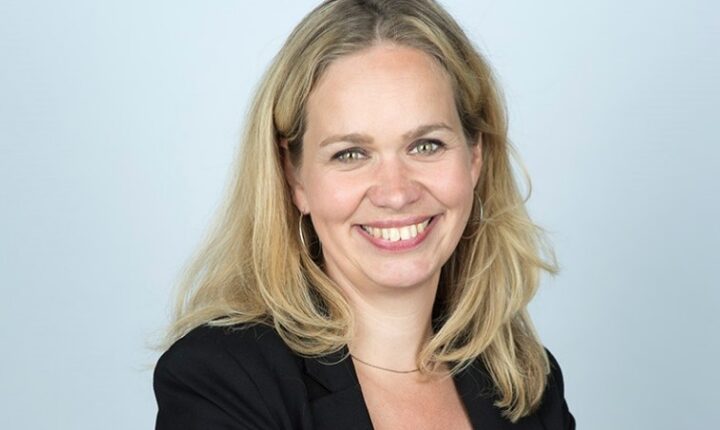
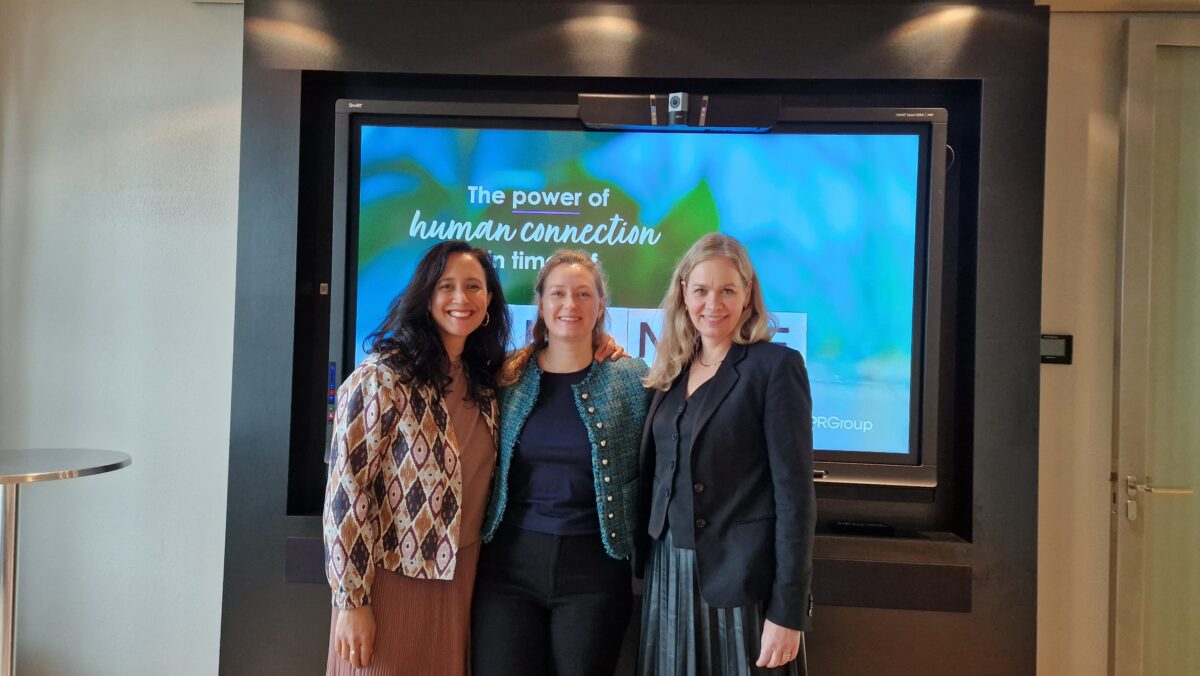
Change has become a continuous state for organisations. Led by Daniëlle Friskes, together with Iris Flipsen and Miranda Slaman, the Talent & Transformation team at Omnicom Public Relations Netherlands helps organizations make that continuous change becomes meaningful, human and sustainable.  

In this edition of In the spotlight, Daniëlle, Business Director Communications and Certified Leadership Coach, shares why transformation starts with people, what role communication and leadership play, and how organisations can build cultures that remain strong in an evolving environment. 

Why do you combine talent with transformation? 

“Change is no longer a temporary transition between moments of stability. It has become continuous, driven by technology, shifting customer expectations, changing markets and new ways of working. This means that all of us, at all levels in an organisation, need to be adaptable, learn and unlearn, and build new capabilities at every stage of our careers. That’s why we combine expertise in integrated communication, people & culture, leadership development and coaching to help organisations create real movement.“ 

Why is a people-first approach crucial for successful transformation? 

“Because transformation is ultimately a human experience. Behind every new strategy, operating model or org charts are people who need to understand what is changing, why it matters and what it means for them. 

People don’t like change by nature, and even less so when they feel it is beyond their control. People need to be heard, taken seriously and involved where possible to get on board with change. When people feel pressured, uncertainty can quickly turn into resistance. But when they feel seen, supported and connected, they are far more likely to engage and move forward.” 

What do you most often see go wrong when organizations begin a transformation? 

“Many organisations focus strongly on the design of the future organisation: the structure, processes, systems and timelines. Of course, these are important. But the human factor is too often treated as an afterthought. 

The human factor is about how people experience change: whether they understand the direction, feel safe to ask questions, have confidence in their leaders and know what is expected of them. It is also about whether teams have the trust, skills and support to adopt new ways of working together. 

This must be a priority at executive level. Not only because it is the right thing to do, but because it makes clear business sense. When people feel disconnected, unheard or unclear about their future, the risk of disengagement and turnover increases. Losing experienced employees comes at a cost: recruitment and replacement costs, lost productivity, and the loss of valuable organisational, customer and product knowledge that can take years to rebuild. 

A transformation is not successful because it has been announced. It becomes successful when people understand it, trust the direction and are able to translate it into their day-to-day work. That requires ongoing dialogue, not one presentation, one email or one town hall. 

Investing in the human side of change helps teams move more smoothly and swiftly towards high performance. It supports retention, protects critical knowledge, strengthens collaboration and reduces the friction that can otherwise slow down implementation. In that sense, human connection is not a ‘soft’ addition to transformation, it is a tangible driver of business performance.”  

What is the difference between culture change and transformation. And why can’t you do one well without the other? 

“Transformation is often the broader strategic shift: a new direction, business model, structure or way of working. Culture is built from the patterns of behaviours that you see in the organisation every day, and is reflected in that’s how people make decisions, collaborate, speak up, deal with mistakes and respond to change. It will help or hinder transformation to take. . 

You can introduce a new structure, but if behaviours, leadership and underlying beliefs remain the same, very little will truly change. Culture provides the foundation that allows people to adapt, build new skills and sustain new ways of working.” 

What role does psychological safety play? 

“Psychological safety is essential. In an environment where people are expected to learn continuously, experiment and develop new capabilities, they need to feel safe enough to ask questions, raise concerns, challenge ideas and acknowledge what they do not yet know. 

That does not mean avoiding difficult conversations. It means creating a space to have them constructively. Leaders play a critical role here. By being open about uncertainty, listening carefully and showing that input and learning are valued.” 

How do you turn employee insights into transformation communication that truly connects? 

“It starts with really listening. Before deciding what people need to hear, it is important to understand what they are experiencing. What questions do they have? What are they worried about? What gives them energy? And what do they need from leaders to move forward? 

Those insights help make communication relevant and credible. Successful transformation communication is not only about explaining the business case for change. It connects the organisational story to people’s everyday reality, and creates space for response, dialogue and shared understanding.” 

Every phase of transformation requires something different from communication. How does the message change? 

“At the beginning, people need clarity on the why: why is this necessary, why now and what is the ambition? And what does this mean for my function/role. As plans become more concrete, the focus shifts to what the change means for teams, roles and ways of working. 

During implementation, communication needs to be practical, consistent and two-way. People need guidance, opportunities to ask questions and visible leadership. Afterwards, it is important to reinforce the new direction by celebrating progress, learning from what is not yet working and making the desired culture tangible in everyday behaviour. 

To support this, we use our OPR Guiding Change for Team Performance model. Drawing on Tuckman’s Stages of Group Development and Hersey and Blanchard’s Situational Leadership approach, it helps HR/People and Culture and Communications leaders understand where teams are in their development and what they need to move forward. 

Because teams do not become high-performing overnight. By adapting communication and leadership to the team’s needs at each stage, organisations can build trust, strengthen collaboration and make transformation more sustainable.” 

What do you expect from leaders in this context? 

“Leaders need to provide direction while remaining human. They do not need to have every answer, but they do need to be present, honest and clear about what they know, and what they do not know yet. 

You see leaders doing this well when they create connection: when they listen, make time for conversations, acknowledge complexity and help people understand their role in the bigger picture. Trust is built carefully, through consistent actions rather than one-off messages. 

Effective communication is therefore at the heart of impactful leadership. How leaders show up, tell the story behind change and engage in dialogue can make the difference between people simply receiving a message and genuinely understanding and trusting it. 

Through our Executive Public Speaking Training, we equip senior leaders with the skills and confidence to communicate with clarity, authenticity and impact. Through tailored training and coaching, we help executives refine their storytelling, presence and delivery of high-stakes presentations, keynotes, leadership moments or internal engagement. This enables leaders to strengthen their influence, inspire their teams and align their communication with both their leadership style and the organisation’s strategic direction.” 

How does Omnicom PR NL put these principles into practice itself? 

“Our own profession is constantly changing, and that means we need to keep developing too. We are continuously building a culture in which people can learn, contribute and grow—while staying connected to one another. 

Our principles are simple: listen properly, understand deeply, build trust carefully. They shape how we advise clients and how we work together as colleagues. 

We are proud that this has been recognised by the Culture Award 100, which named Omnicom Public Relations Netherlands one of Europe’s Most Loved Companies to Work For. For us, the award is not a destination. It is encouragement to continue to work hard on our work culture. To keep listening, learning and building a culture in which human connection, psychological safety and professional growth go hand in hand.” 

Because lasting transformation does not start with a process. It starts with people, safety and human connection that enable them to move forward together. 

Would you like to explore what our Talent & Transformation team can mean for your organisation? Please get in touch with Daniëlle Friskes.

READ MORE