In the spotlight - Crisis communication in practice

January 8, 2026

In the spotlight - Crisis communication in practice

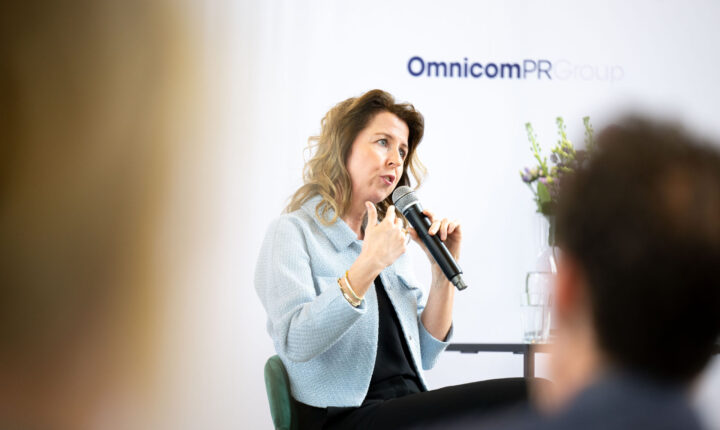
A data leak, a product recall, one wrong social media post—sometimes it takes just a few minutes for a situation to turn into a full‑blown crisis. For Marjolein Rigter, Business Director Reputation Management & Partner at OPRG, those are the moments she deals with every day. As a certified crisis communication expert with over fifteen years of experience, she has guided organizations of all kinds through times of crisis. From data centers to NGOs and from healthcare organizations to food companies, any organization can suddenly find itself facing a communication crisis. In this article, Marjolein shares her expertise, from how to prepare for a potential crisis to tips on how to deal with a crisis as effectively as possible.

What do you do as a crisis communications expert?

In the acute phase, when a crisis has just broken out, I help organizations quickly make the right analysis and develop a communication approach. How you act in those first hours of a crisis is crucial and determines whether you will be able to maintain the trust of stakeholders.

To do this effectively, I also focus heavily on crisis preparedness. We help organizations get ready as thoroughly as possible, for example by drawing up a crisis handbook and, above all, by providing extensive training, such as crisis media training and realistic crisis simulations.

How do you define “crisis communication” in today’s rapidly changing media environment?

For me, crisis communication is the process whereby an organization in an acute or threatening reputation situation acts immediately, in a coordinated and transparent manner, towards all relevant stakeholders, so that trust is restored or even strengthened as quickly as possible. The latter is indeed a possible outcome of a crisis, provided you handle it in the right way. 

In today’s media environment, this means real-time monitoring of social media, consistent internal and external messaging, and the ability to quickly activate owned channels (such as corporate sites and newsletters) alongside traditional media, for example through a dark site.

Everything is geared toward maintaining control over the narrative of the crisis and its framing. The sooner you can communicate about a situation that has arisen, the more chance you have of keeping control and influencing how it is reported.

The human element is also becoming increasingly important. People want to hear from people. That is why we are increasingly working with video and personal messages instead of corporate statements.

What are the most common types of crises that organizations in the Netherlands and Europe are currently facing?

Right now, I see three types of crises most often:

First, cyber and data breaches. Almost every large company will face this at some point. Think of the recent fines imposed on Meta or the major breach at the University Medical Center Groningen (UMCG) in 2023. The impact is immediate, because it affects both trust and legislation.

Second, disruptions in the supply chain can lead to a crisis. Causes vary from geopolitical tensions to extreme weather conditions. Organizations then discover how vulnerable their supply chain is. A minor incident in Asia can bring production in Europe to a standstill.

Finally, I see a rise in social and reputational crises. These are situations in which organizations are publicly called to account by customers, NGOs, or their own employees on topics such as sustainability, working conditions, or diversity. The tone of public debate has become harsher, and judgments are made faster. That is why organizations must respond more quickly and with greater credibly than ever before.

At its core, it’s all about the same thing: trust-whether that trust is under pressure digitally, operationally, or socially.

The EU has strict rules on data, privacy (GDPR), and corporate governance. How do these influence crisis communication strategies?

European regulations have fundamentally changed the way we conduct crisis communication. It is no longer sufficient to consider only reputation or media impact; legal and regulatory obligations must also be taken into account.

For example, in the event of a data breach, legislation requires organizations to comply with all kinds of communication obligations within a very short timeframe. This means that communications, legal, and IT departments must literally sit side by side to determine what to say, when to say it, and to whom.

That combination of legal diligence and communicative speed is exciting. If you communicate too quickly, you may say something legally incorrect; if you are too late, you may lose the trust of your stakeholders.

How can European companies best coordinate their messages in cross-border crises, such as supply chain disruptions or international issues?

In a cross-border crisis, the most important thing is that your organization tells a single story, but with room for local nuance. That means: the same core message in all countries about what happened, what you are doing, and what you are learning from it, but with adaptations in tone, language, and context.

I think companies such as IKEA and Unilever are good examples of how to deal with issues that affect multiple countries. They work with a central crisis team that determines the strategy and core messages, while local teams ensure that the message is tailored to national sensitivities and media cultures.

It may sound simple, but it requires a lot of preparation, a clear governance structure, and trust between countries. If you don’t organize this properly, you end up with fragmented messages and internal frustration. Whereas a single, consistent, and credible voice radiates calmn and confidence, both internally and externally.

What are the biggest mistakes organizations make when preparing for crises?

The biggest mistake is thinking that having a crisis plan tucked away in a drawer is sufficient. Many organizations do have a manual, but it is often too generic or outdated.

It’s not about having a plan on the shelf; it’s about developing and maintaining a corporate culture that is constantly engaged in scenario thinking. That means thinking ahead in situations such as a data breach, a supply chain disruption, or a social issue. This ensures that potential risks are quickly identified and action can be taken. 

A second mistake is that companies only train internally and don’t involve their external stakeholders such as customers, regulators, and NGOs. As a result, when a real crisis hits, they don’t know how the outside world will react or what concerns are top of mind. The external voice is missing precisely when it is needed most.

Finally, I often see fragmented governance. Communications, legal, and risk departments do not work as a single team, resulting in conflicting messages or delayed decision-making. Speed, alignment, and trust in each other’s roles are crucial to the outcome of a crisis.

Crisis preparation is therefore much more than writing a plan. It is a way of working together, thinking, and training.

Social media accelerates the speed at which a crisis develops. How can Dutch and European companies keep up with this in practice?

Social media has completely changed the dynamics of crises. Whereas organizations used to have hours or even days to respond, now they often have only minutes. A post on X, TikTok video, or LinkedIn post can escalate into a reputation crisis affecting the entire organization within an hour.

In practice, this requires a solid foundation that is already in place before a crisis hits. Companies need to have their social listening properly set up: not only to measure sentiment, but also to recognize patterns. Which topics are sensitive? Which accounts influence the conversation? With the right monitoring, you can often see a storm coming.

It is also important to agree on clear escalation criteria. Not every negative message is a crisis, but you do need to know when the threshold has been reached at which the crisis team must be activated. This prevents panic on the one hand and underestimation on the other.

Your own channel usage deserves more attention as well. Many organizations are still too reactive on their own corporate handles and don’t use them enough to communicate proactively. This makes it more difficult to use these channels credibly during a crisis to tell your own story and thus establish yourself as the primary source in the public conversation.

Finally, train your people. A “social media moment” should be part of every crisis training program. How does the CEO respond when tagged live in a critical post? How do you maintain a tone that is both empathetic and factual?

In short, if you want to be prepared today, you need to view social media as a strategic core competency, not a technical side issue.

What role do influencers, NGOs, and activist groups play in shaping crises today, and how should organizations deal with them?

Influencers, NGOs, and action groups are no longer marginal players; they are often at the forefront of reputation crises. They set both the pace and moral framework of public debate. A single post or action can quickly put an issue on the agenda, even before traditional media pick it up.

What I often see is that organizations only take these groups seriously once the crisis has already erupted. But the real benefit lies in the dialogue that takes place beforehand. In our Reputation Reality sessions, we work with organizations to raise awareness: who are the critical voices surrounding your brand, what drives them, and how can you engage with them without becoming defensive?

During a crisis, it’s not always about cooperation, but it is about visible commitment and openness. Show that you are listening, address their concerns, and be willing to have a real conversation, even if it is uncomfortable.

Organizations that dare to do this shift the dynamic completely: from being pursued to taking control. And that is exactly what modern reputation management requires; not just responding to the storm but actively building relationships.

Contact us today to build a proactive crisis communications strategy.

Read more

In the spotlight – A week in Brussels

Ever wondered what it’s like to juggle a dynamic career in both the political and consulting arenas? Meet Teeuwes Middelbrink, Public Affairs consultant at OPRG. With a workweek that is…