IN THE SPOTLIGHT – INFLUENCER MARKETING IN PRACTICE (PART 2)

February 13, 2026

This is the second article of a three-part series on influencer marketing in the Netherlands. Priscilla Schaap, Client Advisor at OPRG, takes you behind the scenes of the choices brands face: from selecting the right influencer to choosing the most effective platform. She highlights the common pitfalls and what brands should do to avoid them.

Are micro-influencers in the Netherlands more powerful than bigger, famous influencers due to their local and personal reach?

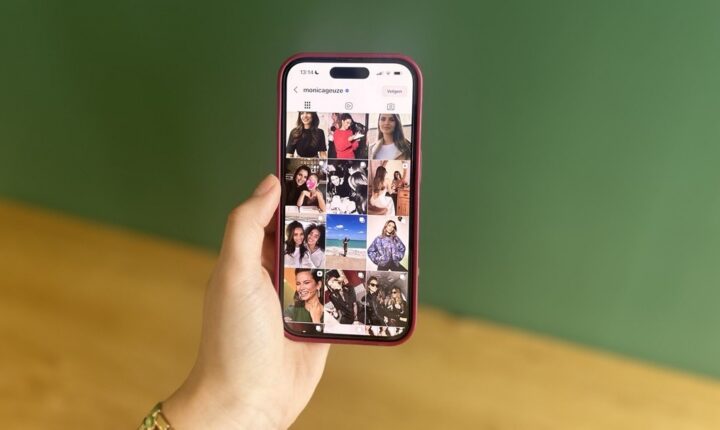
The answer isn’t black and white and depends on the campaign objective. Micro-influencers (up to 10,000 followers) often have a highly engaged community and generate a lot of interaction, making them ideal for local or niche campaigns. Major influencers offer massive reach but tend to have less personal engagement. However, the ‘Monica Geuze effect’ demonstrates that a single post from a major influencer can have an enormous impact on sales (as seen with examples like Amy Klein’s Dubai-bar or the Schiedamse Künefe). Ultimately, a combination ranging from micro- to mega-influencers often forms the strongest strategy to ensure both broad visibility and a strong, engaged community.

Which platforms are currently most relevant in the Netherlands: Instagram, TikTok, LinkedIn, or YouTube?

The right platform selection in influencer marketing fundamentally depends on the target audience. Research shows that Generation Z are the most active social media users, primarily present on TikTok, Snapchat, and YouTube. Millennials navigate across multiple platforms, including Instagram, WhatsApp, Facebook, and YouTube, while Generation X spends less time on social media on average, being most active on WhatsApp and Facebook. Compared to other generations, Millennials and Generation X also use LinkedIn the most, making this platform particularly suitable for corporate and B2B-oriented influencer campaigns (Ruigrok, 2025).

Recent figures show that key platforms in 2025 have continued to grow compared to 2024. YouTube grew by 2% (+185,000 users), Instagram by 2% (+180,000 users), and LinkedIn showed growth of 3% (+230,000 users). TikTok also increased by 3% (+145,000 users). These figures underline that these platforms remain structurally relevant and that their role within influencer marketing is increasing rather than decreasing (Newcom, 2025).

In addition to platform usage, device usage also plays a role. Younger generations use their smartphones more often to make online purchases, while Generation X and Baby Boomers more frequently prefer laptops for this. This has direct implications for how influencer content is designed and where in the customer journey it is most effective (Ruigrok, 2025).

At the same time, these insights mainly offer a picture of general social media usage. To determine when someone is actually influenced by content on Snapchat versus LinkedIn, a deeper analysis is necessary. Effective influencer marketing requires insight into interests, motivations, and context: where does the target group look for inspiration, when are they open to influence, and in what environment is the content consumed? Only by understanding this deeper layer can a platform choice be made that is not only logical based on generation and growth, but also truly contributes to the success of the campaign.

What common mistakes do you see Dutch brands make when they use influencer marketing for the first time?

One of the most common mistakes Dutch brands make when they start with influencer marketing is that the content doesn’t properly match either the brand or the people the influencer actually reaches. Brands still often assume that an influencer’s audience corresponds one-to-one with the influencer themselves, while in practice that’s often not the case. Someone might, for example, present a luxury lifestyle without their followers being able, or willing, to buy those products. Without solid audience research, you run the risk that a collaboration looks great on the surface, but delivers little in terms of strategy or commercial results.

Another recurring pitfaal is that brands get carried away by popular trends without translating them into their own story or clear branding. The result: isolated pieces of content that stand alone, lack coherence, and fail to build a recognizable brand message. Influencer marketing is sometimes seen as a one-off activation, in the hope that one big name will be enough to achieve success. While that can occasionally generate short bursts of viral attention, it rarely forms a solid foundation for a sustainable brand story. It’s precisely the lack of a long-term strategy, with a clear narrative and consistent message, that causes the impact to fade quickly.

Finally, brands often interfere too much with the content itself, while the best results actually arise from co-creation. Influencers know better than anyone what works with their audience, which tone of voice fits, and how content feels natural on the platform. By providing clear guidelines (such as a briefing), but giving the influencer room for their own creativity, content is created that is authentic and therefore resonates more strongly with the target audience.

How do you measure the ROI of influencer marketing?

Brands primarily focus on impressions (reach) and engagement rate (ER%). They also use affiliate campaigns to measure sales more directly. Sometimes unique discount codes or tracking links can be added to campaigns, allowing conversions to be linked to specific influencers. However, GDPR plays an important role in Europe: unlike the US, it is not permitted here to track conversions to actual (credit card) sales. As a result, sales KPIs are usually indicative.

Therefore, KPIs for influencer marketing are often defined more broadly, such as reach, engagement, or brand consideration. Marketing communication campaigns tend to target direct ROI, while PR-driven influencer activities focus on storytelling and building long-term brand value. The latter is less directly measurable, but strategically essential.

Talk to us about your next campaign.

Read more

In the spotlight – Influencer marketing in practice (part 1)

What started as simple product promotions has grown into a mature, professional industry in which influencers are strategic partners for brands, from FMCG and beauty campaigns on Instagram and TikTok to thought leadership on LinkedIn.