IN THE SPOTLIGHT – INFLUENCER MARKETING IN PRACTICE (PART 3)

March 5, 2026

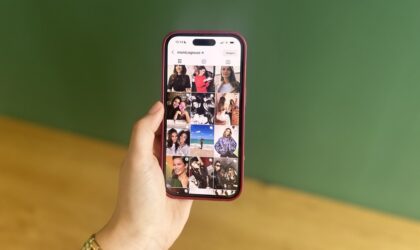
Gemaakt met AI, door [naam]

This is the third and final part of our series on influencer marketing in the Netherlands. Priscilla Schaap, Client Advisor at OPRG, discusses increasingly strict regulations, the impact of organic versus sponsored content, and the role of AI influencers.

The Advertising Code Committee has clear rules around #ad and #spon. How strictly are these enforced in the Netherlands?

Enforcement is becoming increasingly strict. In 2024, the official ‘Influencer Rules’ course was introduced, with both influencers and brands becoming more aware of their legal responsibilities. #ad is mandatory for all collaborations, while #spon is not considered sufficiently transparent. Non-compliance can result in significant fines.

As a TikTok user myself with just 672 followers, I personally received an email from the Committee regarding my content, which is proof that even small influencers are now being monitored. I’ve since obtained the official influencer certification, underscoring just how critical it is to understand and follow these regulations.

What are the risks for brands that do not comply with transparency rules?

The risks can be substantial: hefty fines and reputational damage. A clear example is influencer Rhodé Kok, who received a fine for inadequate disclosure of sponsored content (see NOS article). Such incidents immediately make headlines and are harmful to both brands and influencers. This is why it is essential that the agency, the brand, and the influencer share responsibility to ensure all content complies with laws and regulations.

Do you expect influencer marketing regulations in the Netherlands to become stricter in the coming years?

Yes, absolutely. Regulations havetightened significantly since 2024, and this trend will continue. Monitoring now extends beyond major influencers to smaller creators.. Influencer certification and a solid understanding of the rules is becoming increasingly important, as authorities are highly alert to misleading practices and hidden advertising.

Do Dutch consumers respond differently to sponsored content compared to organic content?

Dutch consumers do not react more negatively to sponsored content simply because it includes a disclosure such as #ad or “paid partnership.” According to DDMA, such labels do not directly affect the algorithmic reach of posts and social media platforms do not deliberately rank content with advertising disclosures lower.

The real performance differences stem from user behavior, not disclosure visibility. Sponsored content is judged more critically than organic content: followers pay closer attention to relevance, credibility, and whether the collaboration feels like a natural fit. Transparency remains crucial. Clear, honest disclosure enhances the credibility of both influencer and brand and can strengthen follower trust—positively influencing engagement (DDMA, 2024).

When content aligns well with both the influencer and the audience, sponsored posts can even enhance credibility. When a collaboration feels authentic and relevant, like Vita Boers’ partnership with OneBlade Intimate, sponsored posts are genuinely appreciated by followers. Consumers now demand even more transparency: disclosure of AI-generated content is becoming equally important in building credibility (MarketingTribune, 2025).

The bottom line: Relevance, authenticity, and transparency make sponsored content not just as effective as organic posts—often more valuable.

How do you view the role of AI and virtual influencers in the Dutch market?

In the Netherlands, the role of AI and virtual influencers has remained limited. Around 2021, there was a brief surge of interest in initiatives such as Esther Olofsson, the Dutch virtual influencer. While initially positioned as innovative, her momentum faded quickly and she’s now largely dormant, appearing only occasionally as an AI demo at events.

The contrast with international examples is striking. Lil Miquela in the US, for example, has become a cultural phenomenon and now appears at movie and streaming platform premieres. This difference says a lot about the Dutch market.

We’re pragmatic, skeptical, and fundamentally value authenticity. Real people with real stories will always outperform perfectly polished digital constructs.

The photo above was created with AI, by Yohane Bulambo

Talk to us about your next campaign.

Read More

In the spotlight – Influencer marketing in practice (part 2)

This is the second article of a three-part series on influencer marketing in the Netherlands. Priscilla Schaap, Client Advisor at OPRG, takes you behind the scenes of the choices brands face: from selecting the right influencer to choosing the most effective platform.
In the spotlight – Influencer marketing in practice (part 1)

What started as simple product promotions has grown into a mature, professional industry in which influencers are strategic partners for brands, from FMCG and beauty campaigns on Instagram and TikTok to thought leadership on LinkedIn.