Nominated for an EMEA SABRE Award in 2026 in the category ‘Inclusive Marketing’.
Mastercard launched “Op Gevoel”, an accessible podcast co-created with the visually impaired community, to promote the Touch Card as an inclusive payment standard. Combining immersive 8D audio, tactile out-of-home activations, and multi-channel storytelling, the campaign reached millions of people. Beyond awareness, it strengthened relationships with the visually impaired community, activated partners for rollout, and positioned Mastercard as a leader in inclusive payments, demonstrating that accessibility drives innovation and human-centered design.
CHALLENGE
Raise awareness of Mastercard’s Touch Card in the Netherlands, highlighting accessibility as a core value. Demonstrate that inclusive payment design benefits everyone while delivering a seamless experience for all users, challenging the perception that accessibility compromises convenience or style.
APPROACH
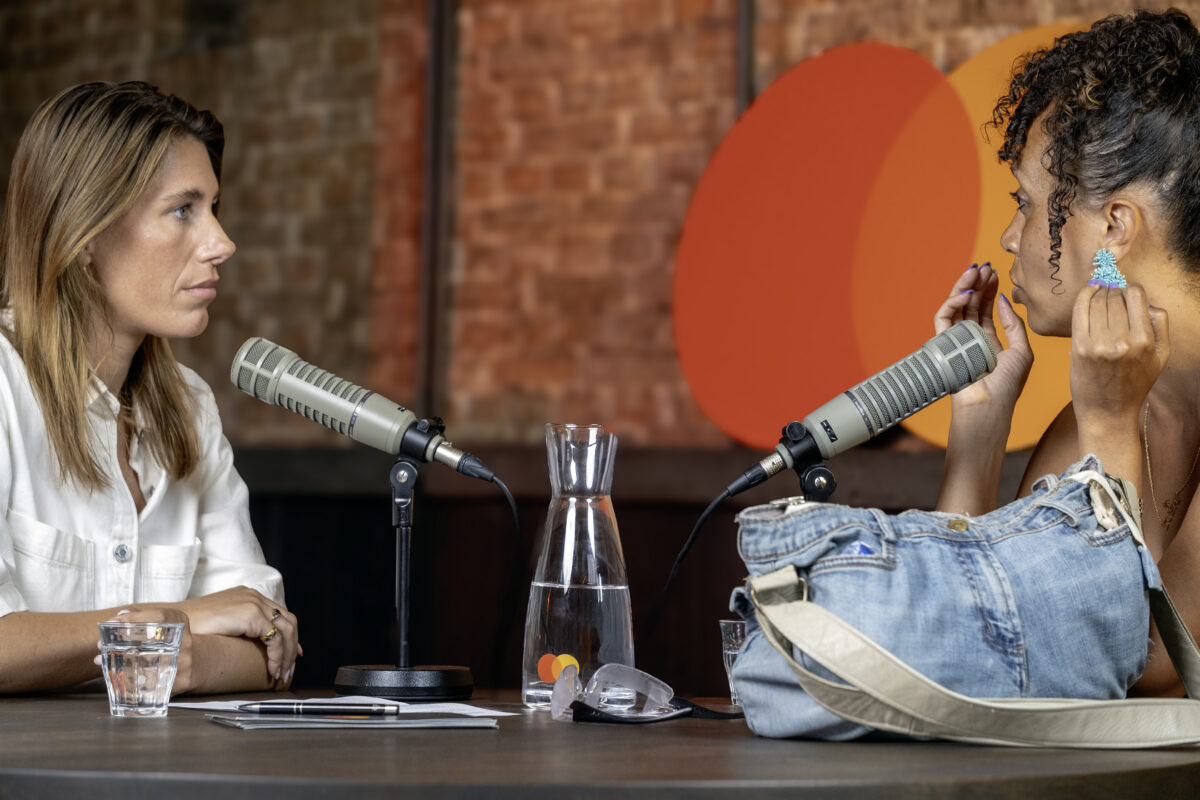
We shifted accessibility from compliance to innovation, framing it as a strategic opportunity rather than an obligation. Our research highlighted that the visually impaired community had deep insights into everyday experiences, which could inform product design and storytelling. The campaign centered on authentic narratives: “Op Gevoel” featured visually impaired guests sharing personal stories of navigating life with creativity and resilience.
The messaging framework emphasized three pillars: accessibility as innovation, inclusivity as a business advantage, and Mastercard as a human-centered brand. The creative platform leveraged 8D audio to simulate spatial sound, tactile out-of-home elements, and human stories, creating multisensory engagement. Visual identity and content were co-created with community members, from black-on-white high-contrast aesthetics to photography by visually impaired artists, ensuring every asset aligned with accessibility standards while remaining emotionally compelling.
EXECUTION
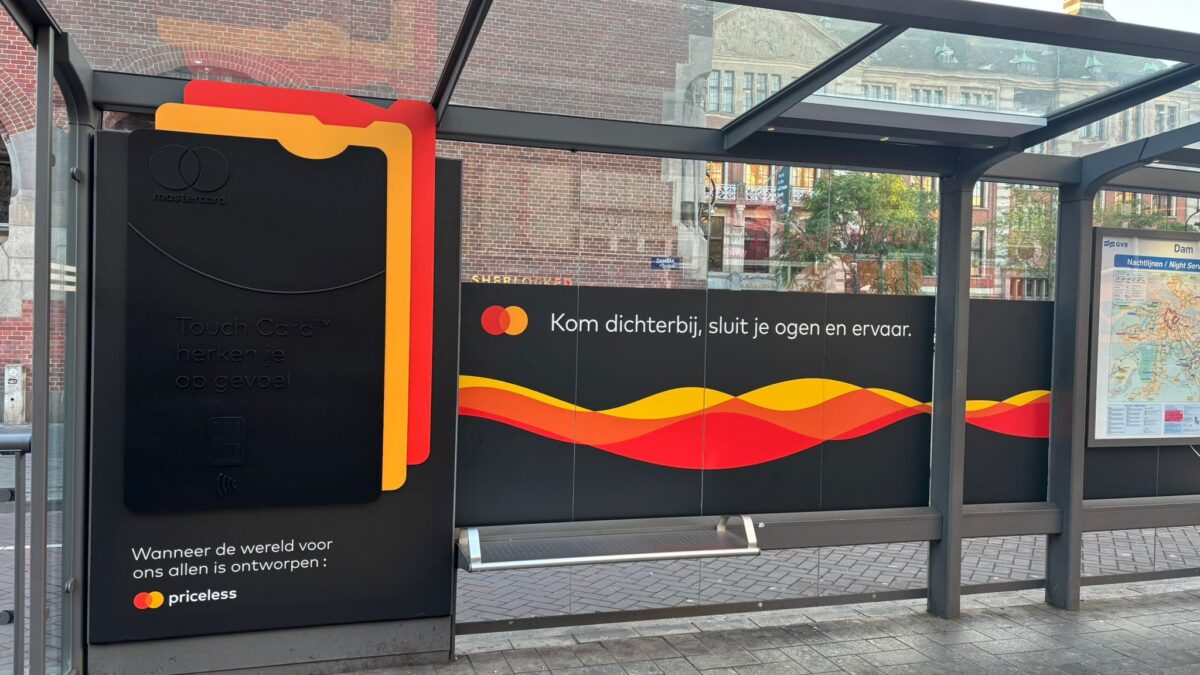
We produced the “Op Gevoel” podcast with journalist Malou Petter, delivering immersive 8D audio episodes that allowed listeners to experience stories spatially. Out-of-home installations featured 3D-printed tactile elements and sound showers in public spaces, creating a sensory touchpoint for passersby. Spotify served as the audio-first platform for accessibility, while Instagram and LinkedIn amplified social snippets, highlighting episode highlights and behind-the-scenes moments.
Link to the podcast:https://open.spotify.com/show/0bCQhHRL6pdXEzgxdT9eol
Branded content appeared on NU.nl and DPG Media, supported by PR around World Sight Day. Every touchpoint, from photography to copy, was accessibility-reviewed. The tactile, auditory, and visual elements were complemented by storytelling that highlighted Mastercard’s inclusive philosophy, ensuring both awareness and emotional resonance. Stakeholder engagement included community partners and disability organizations, reinforcing authenticity.
RESULTS
The campaign achieved significant reach and engagement: Spotify recorded 6.3 million fully listened ads, out-of-home installations reached 6.9M passersby, and social content generated 8.4M impressions. The podcast attracted nearly 40,000 listeners with over 100 five-star ratings.
Branded content on NU.nl achieved 40.948 views with the article and 190.491 impressions with the podcast ad segments, driving meaningful conversations around accessible design. Beyond numbers, the campaign strengthened Mastercard’s partnerships with visually impaired communities, activated new collaborators for Touch Card rollout, and positioned Mastercard as an industry leader in inclusive payments. Feedback from participants highlighted the authenticity and tangible impact of the campaign, demonstrating that accessibility initiatives can resonate with broader audiences while delivering measurable business outcomes.